Last updated November 12, 2026 · Reviewed by the Gala Health team
Why perimenopause affects mood and anxiety
The SWAN finding held even after accounting for a history of depression, stressful life events, hot flashes and measured hormone levels: the transition itself carried extra risk. A past episode of depression was still the strongest predictor, and guidelines from The Menopause Society and the National Network of Depression Centers note that most women who have a major depressive episode in perimenopause have had one before.
Mood symptoms rarely travel alone in midlife. The same guidelines describe depression that shows up together with hot flashes, sleep disturbance and the psychosocial pressures of this stage of life, and stress that these overlap and make each other harder to sort out.
Anxiety itself is a feeling of fear, dread and unease that can come with sweating, restlessness, tension and a rapid heartbeat, which is part of why it can be hard to separate from a hot flash.
Mood changes that may not be menopause
- Thyroid disease: an overactive thyroid causes nervousness, irritability and trouble sleeping, and an underactive thyroid can cause depression and fatigue.
- A depressive or anxiety disorder that began earlier in life and has returned.
- Alcohol, other substances and some medicines.
- Life events that cluster in midlife, such as caring for parents or children, work strain and loss.
Clinicians use validated screening questionnaires to separate depression from menopause symptoms, because the two overlap so much.
When to get help
- If you have thoughts of harming yourself, call or text 988 to reach the Suicide & Crisis Lifeline, any time.
- Low mood, loss of interest or hopelessness that sits there most days and does not lift.
- Anxiety or panic that keeps you from working, driving or seeing people.
- Mood changes together with hot flashes, night sweats or irregular periods, which is a good reason to bring up perimenopause with a clinician.
Treatments that help menopause mood symptoms
For depression, proven treatments come first: antidepressants and psychotherapy are the front-line options for perimenopausal depression in the 2018 guidelines. The same guidelines report that estrogen therapy, though not approved to treat depression, has antidepressant effects in perimenopausal women, especially when hot flashes are present. Data on estrogen combined with a progestin are sparse.
Some medicines do double duty. SSRIs and SNRIs are first-line antidepressants and also carry The Menopause Society's strongest rating for hot flashes, so one prescription can address both. When night sweats are fragmenting sleep, treating them often takes pressure off mood as well.
How Gala approaches mood changes in menopause
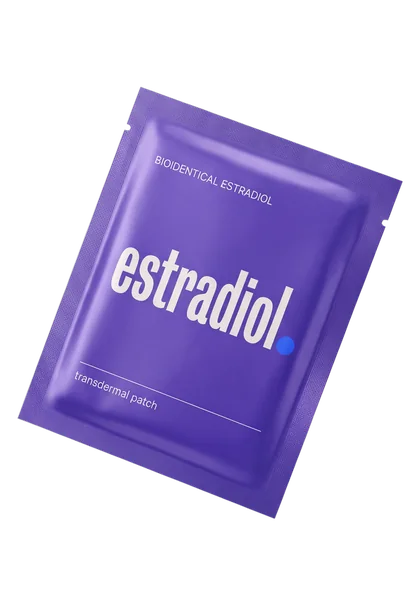
Gala's providers treat menopause symptoms. When irritability or anxiety arrives alongside hot flashes, night sweats or broken sleep, they can prescribe estradiol, the treatment that relieves those vasomotor symptoms most, or, if hormones are not for you, paroxetine or desvenlafaxine, two antidepressant-class medicines used in Gala's non-hormonal protocol for hot flashes.
A depressive episode or an anxiety disorder deserves its own care: a primary care doctor or mental health clinician is the right first call, and the two kinds of treatment can run side by side.
Mood & anxiety: common questions
Can menopause cause anxiety?
Yes. Anxiety, irritability and low mood are common in perimenopause, and the risk of a major depressive episode rises two to four times during perimenopause and early postmenopause compared with before.
What helps with menopause mood swings?
Treating hot flashes and poor sleep helps many women. For depression, antidepressants and psychotherapy are first-line, and estrogen has antidepressant effects in perimenopause, particularly with hot flashes.
Does HRT help with anxiety and depression?
Estrogen is not approved to treat depression, but guidelines report antidepressant effects in perimenopausal women, especially those with hot flashes. Evidence for estrogen plus progestin is limited. It is not a replacement for depression treatment.
How long does perimenopause anxiety last?
The risk is highest during perimenopause and the first years after the final period. Symptoms tied to hot flashes and sleep often ease when those are treated.
Is it menopause or depression?
They overlap, and they can happen together. Clinicians use screening questionnaires and look at your menopausal stage, other symptoms and history to tell them apart.
What is the best treatment for anxiety in menopause?
It depends on what is driving it. SSRIs and SNRIs treat anxiety and depression and reduce hot flashes; therapy helps too; and hormone therapy is an option when hot flashes and sleep loss are part of the picture.
Talk to a provider about mood & anxiety
A licensed provider reads your answers and decides whether treatment is right for you.
Sources
- Bromberger JT, et al. Major depression during and after the menopausal transition (SWAN). Psychol Med. 2011;41(9):1879-1888.
- Maki PM, et al. Guidelines for the evaluation and treatment of perimenopausal depression (The Menopause Society and National Network of Depression Centers). Menopause. 2018;25(10):1069-1085.
- MedlinePlus, National Library of Medicine. Anxiety.
- National Institute of Diabetes and Digestive and Kidney Diseases. Hyperthyroidism (overactive thyroid).
- National Institute of Diabetes and Digestive and Kidney Diseases. Hypothyroidism (underactive thyroid).
- The North American Menopause Society. The 2023 nonhormone therapy position statement. Menopause. 2023;30(6):573-590.
- 988 Suicide & Crisis Lifeline.
This page is for general information and is not medical advice. Talk to a licensed provider about your own health.